2026. 7. 30. 10:02ㆍ카테고리 없음
Table of Contents
- The Short Answer
- Why Life Insurance Exists in the First Place
- When Being Single Means You Probably Don't Need It
- When Single People Actually Do Need Coverage
- The Hidden Reason Young Singles Buy Early
- Term vs. Whole Life: What Actually Fits a Single Person
- What to Do Instead If You Skip It
- A Simple Way to Decide
- FAQ
- Final Thoughts
The Short Answer
Most single people with no dependents and no co-signed debt don't need life insurance yet. The math behind life insurance is about replacing income for people who rely on you. If nobody depends on your paycheck, there's less to insure. That changes fast if you have a cosigner, aging parents you support, or kids on the way.
Why Life Insurance Exists in the First Place
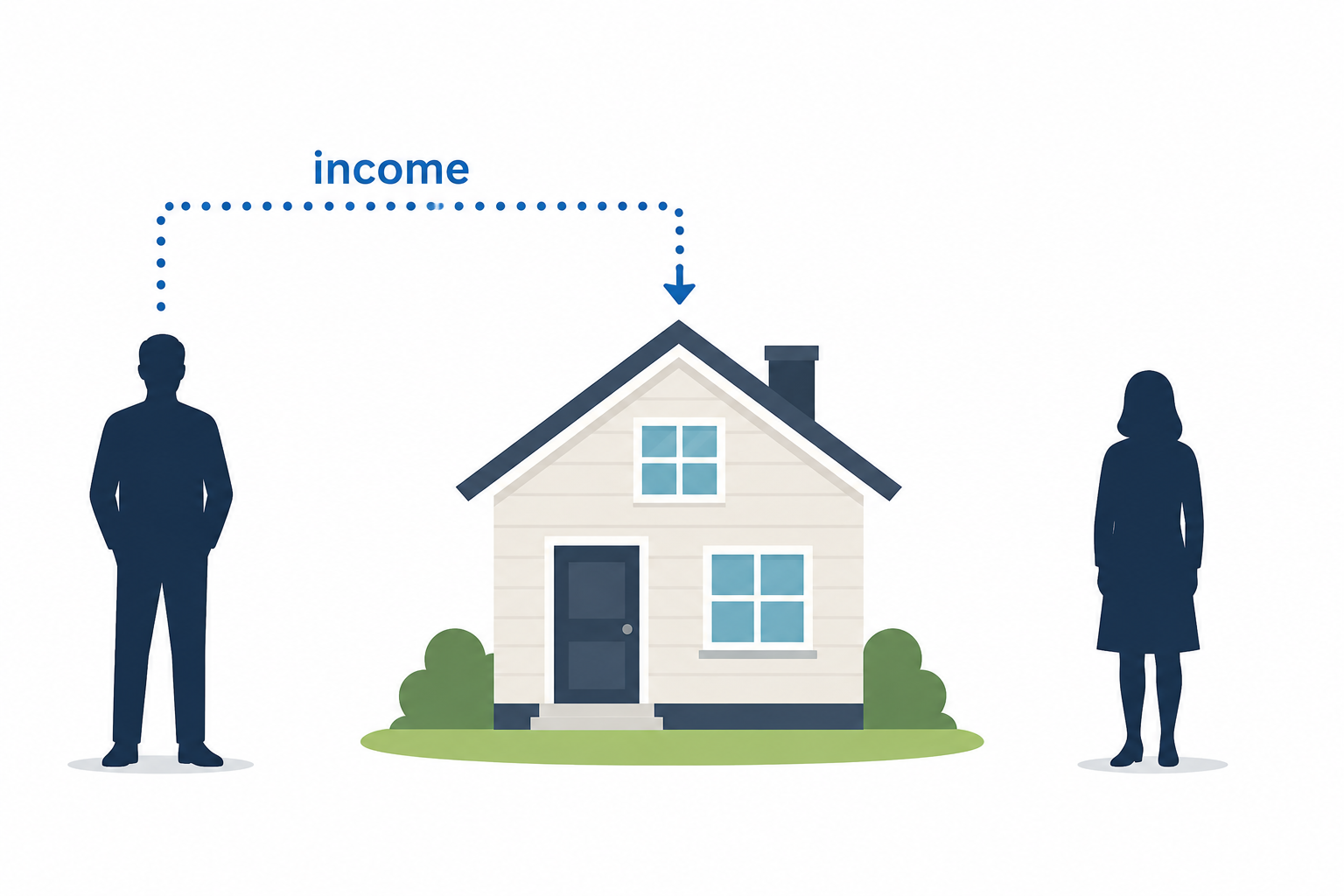
Life insurance was never designed as a general-purpose financial product. It solves one specific problem: what happens to the people who depend on your income if you die.
A mortgage co-signed with a partner. A child who needs to be raised and educated. A parent whose rent you cover every month. These are the situations life insurance was built for.
Take away the dependents, and you take away most of the reason to buy it. That's the uncomfortable truth insurance agents don't always lead with.
When Being Single Means You Probably Don't Need It
Here's the profile of someone who can reasonably skip it:
- No kids, no spouse, no partner relying on your income
- No co-signed loans (student loans, car loans, or a mortgage with someone else's name on it)
- Parents or siblings who aren't financially dependent on you
- An emergency fund that covers a few months of expenses
- A job with decent group life insurance already, even if small
If that's you, a policy right now would mostly be paying for a risk that doesn't exist yet. That money could grow faster in a retirement account or simply sit in savings where you can use it.
When Single People Actually Do Need Coverage
Being unmarried doesn't mean being unattached financially. A few situations flip the answer to yes:
You co-signed a loan. If a parent or sibling co-signed your student loans or you did the same for someone else, that debt doesn't disappear when you die. Depending on the loan type and state, the cosigner could be on the hook for the full balance.
You support a parent or relative. If you send money home every month to help a parent or grandparent, that's a dependent relationship even without a legal label.
You have a child, even without a partner. Single parents need life insurance more than almost anyone. There's no second income to fall back on.
You own a business with debt attached to your name. A business loan personally guaranteed by you can become someone else's problem, often a business partner's, if you're gone.
You want to lock in a low rate while you're young and healthy. This one isn't about need. It's about opportunity.
The Hidden Reason Young Singles Buy Early
Life insurance gets more expensive as you age, and health issues can raise the price further or block you from certain policies altogether. Some people in their 20s and 30s buy a small term policy specifically to lock in a low rate while they're healthy, planning to increase coverage later if they get married or have kids.
It's a reasonable strategy, but it's a bet on convenience and pricing, not a response to an actual dependent right now. Worth knowing the difference before an agent frames it as urgent.
Term vs. Whole Life: What Actually Fits a Single Person
If you do decide coverage makes sense, the type matters as much as the decision itself.
| Feature | Term Life | Whole Life |
| Cost | Lower, fixed for the term | Significantly higher |
| Duration | 10, 20, or 30 years | Lifetime |
| Builds cash value | No | Yes, slowly |
| Best for | Covering a specific debt or dependent period | Estate planning, permanent needs |
| Fit for most singles | Usually yes | Usually no |
For a single person without dependents, a small term policy (if any) makes far more sense than whole life. Whole life bundles insurance with an investment component that tends to underperform simpler alternatives like a retirement account, and it locks up money you might need for other goals.
What to Do Instead If You Skip It
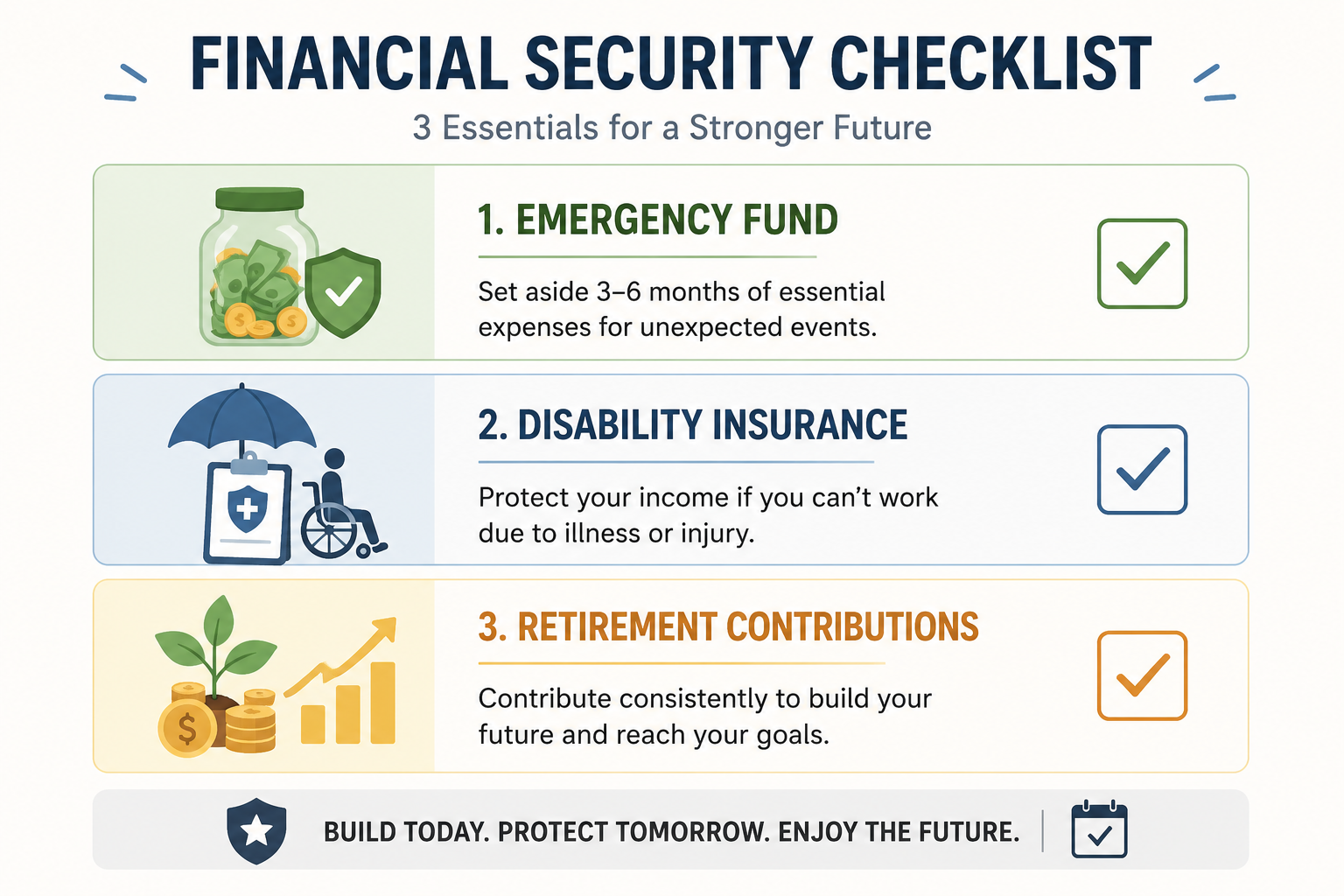
Skipping life insurance doesn't mean skipping financial planning. A few things do more for a single person right now:
- Build an emergency fund. Three to six months of expenses covers the risk that actually threatens you day-to-day: job loss, medical bills, an unexpected repair.
- Get disability insurance instead. You're statistically far more likely to become unable to work than to die young, and disability coverage protects your own income, not someone else's.
- Max out retirement contributions where you get an employer match. That's a guaranteed return life insurance can't match.
- Review any group life insurance your employer already offers. It might be enough for now, especially if it's free.
A Simple Way to Decide
Ask one question: if I died tomorrow, would anyone be financially worse off besides me?
If the honest answer is no, hold off. If the answer is a cosigner, a parent, or a child, get a quote for a basic term policy and see what it actually costs. For most young, healthy people, a policy that covers a real dependent runs far cheaper than expected.
FAQ
Is life insurance a waste of money for single people? Not a waste, but often unnecessary. Life insurance protects people who depend on your income. Without dependents or co-signed debt, the coverage has little to actually pay out toward, making it a lower priority than savings or disability insurance.
Should I get life insurance if I only have student loans? Depends on the loan. Federal student loans are typically discharged upon death. Private loans with a cosigner may not be, and that cosigner could become liable for the balance. Check your loan terms before deciding.
What age should a single person start thinking about life insurance? There's no fixed age. The better trigger is a life event: a mortgage, a child, a cosigned loan, or supporting a parent. Some buy early purely to lock in lower rates while healthy.
Does being single make life insurance cheaper? Marital status itself doesn't set the price. Age, health, and coverage amount do. Being single just means you may need less coverage, or none, since there's often no dependent to protect.
What happens to my debt if I die single with no life insurance? Debt in only your name is generally settled from your estate. Cosigned or jointly held debt can pass to the other person. Assets you don't have won't be inherited as debt by family members who didn't cosign.
Is group life insurance through my employer enough? For many single people without dependents, yes. It often covers one to two times your salary at no cost. It's worth reviewing the amount and confirming it's portable if you leave the job, since many employer policies aren't.
What's the difference between needing life insurance and wanting it? Needing it means someone would suffer real financial harm without a payout. Wanting it, for a single person, is usually about locking in low rates early or preparing for a future you're planning, like marriage or kids.
Should I name my parents as beneficiaries if I get a policy? You can, if they'd face a financial gap without you, such as covering your cosigned debt or relying on your support. If they wouldn't be financially affected, the payout may not have a clear purpose.
Is disability insurance more important than life insurance for single people? Often, yes. You're more likely to become disabled and unable to earn than to die during your working years, and disability insurance protects your own income rather than someone else's future.
Can I cancel a life insurance policy later if my situation changes? Term policies can usually be canceled anytime, though refunds aren't standard. If your circumstances change, like getting married or having kids, you can typically buy new or additional coverage instead.
Do I need life insurance to cover funeral costs? Funeral costs vary widely, but they're a real expense. If you don't have savings set aside, a small policy or even a modest savings buffer can cover this without needing a large policy.
What if I have a pet who depends on me financially? Pets aren't dependents in the insurance sense, but if you want funds set aside for their care, a modest savings account or a instruction in your will works better than a life insurance policy sized around this alone.
Should unmarried couples living together consider life insurance? If you share a mortgage, joint debt, or one partner depends on the other's income, yes, it functions the same as it would for a married couple. Legal marital status isn't what matters here.
How much coverage does a single person with debt need? Enough to cover what a cosigner or dependent would actually owe or lose, not an arbitrary multiple of income. Add up the specific debt or support amount and start there.
Is it too late to get life insurance if I have a health condition? Not necessarily, though it may cost more or come with exclusions. Guaranteed-issue or simplified-issue policies exist for people with health conditions, usually at a premium and with lower coverage limits.
Final Thoughts
Life insurance isn't a milestone you're supposed to hit by a certain age. It's a tool for a specific problem: protecting people who'd be financially hurt if you weren't around. Single with no dependents and no shared debt? You're likely better off building savings and getting disability coverage first. Single with a cosigner, a child, or a parent leaning on you? That's a different conversation, and a basic term policy is worth pricing out.
Talk to a licensed insurance agent or a fee-only financial planner before buying anything. This article explains how to think about the decision, not a substitute for advice tailored to your actual finances.